Brunei, Out and About
Posted July 1, 2026 by Jan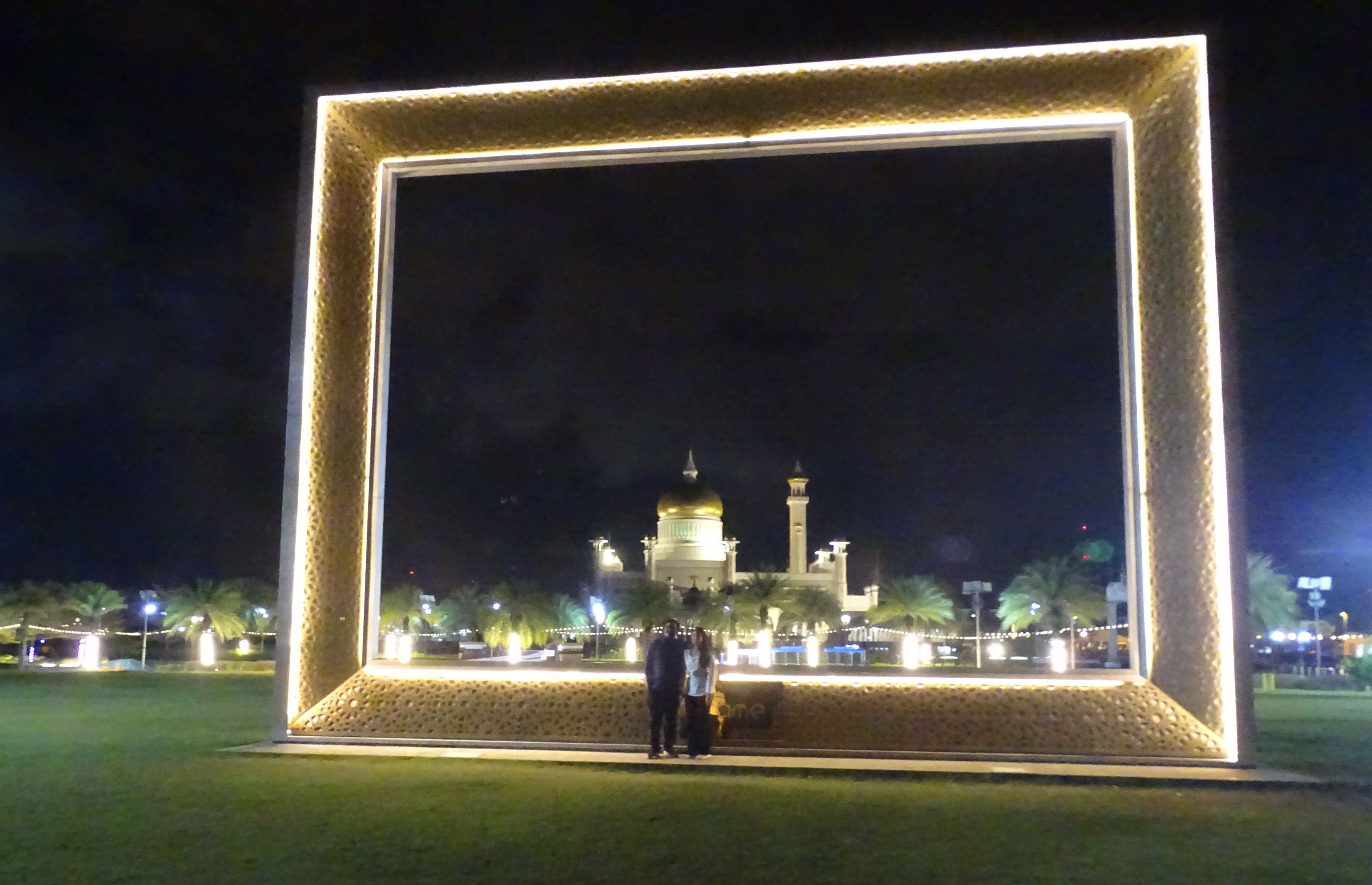
Bandar Seri Begawan
Brunei
23 June 2026
Hello,
A word about Brunei:
Brunei is an Absolute Hereditary Monarchy. The Sultan is the Prime Minister, Minister of Defense and Head of State.
Brunei enjoys massive oil and natural gas reserves.
The citizens receive housing subsidies, automobile subsidies, free education and free health care. Everyone is neat and well-dressed.
I do not see a motor bike or motorcycle or any public transportation vehicle.
Late model cars and SUVs speed along multi-lane roads and streets. All the roads are modern and immaculate.
The citizens I meet are civil and generous. At the airport the Currency Exchange Agent cheerfully exchanges US Dollars and Thai Baht to Brunei Dollars. The Telephone Company Agent patiently inserts a Brunei SIM card. He then calls DART, the local ride app, and books a taxi for me from the airport to the hotel.
Brunei, Special Sights in Bandar Seri Begawan
Posted June 30, 2026 by Jan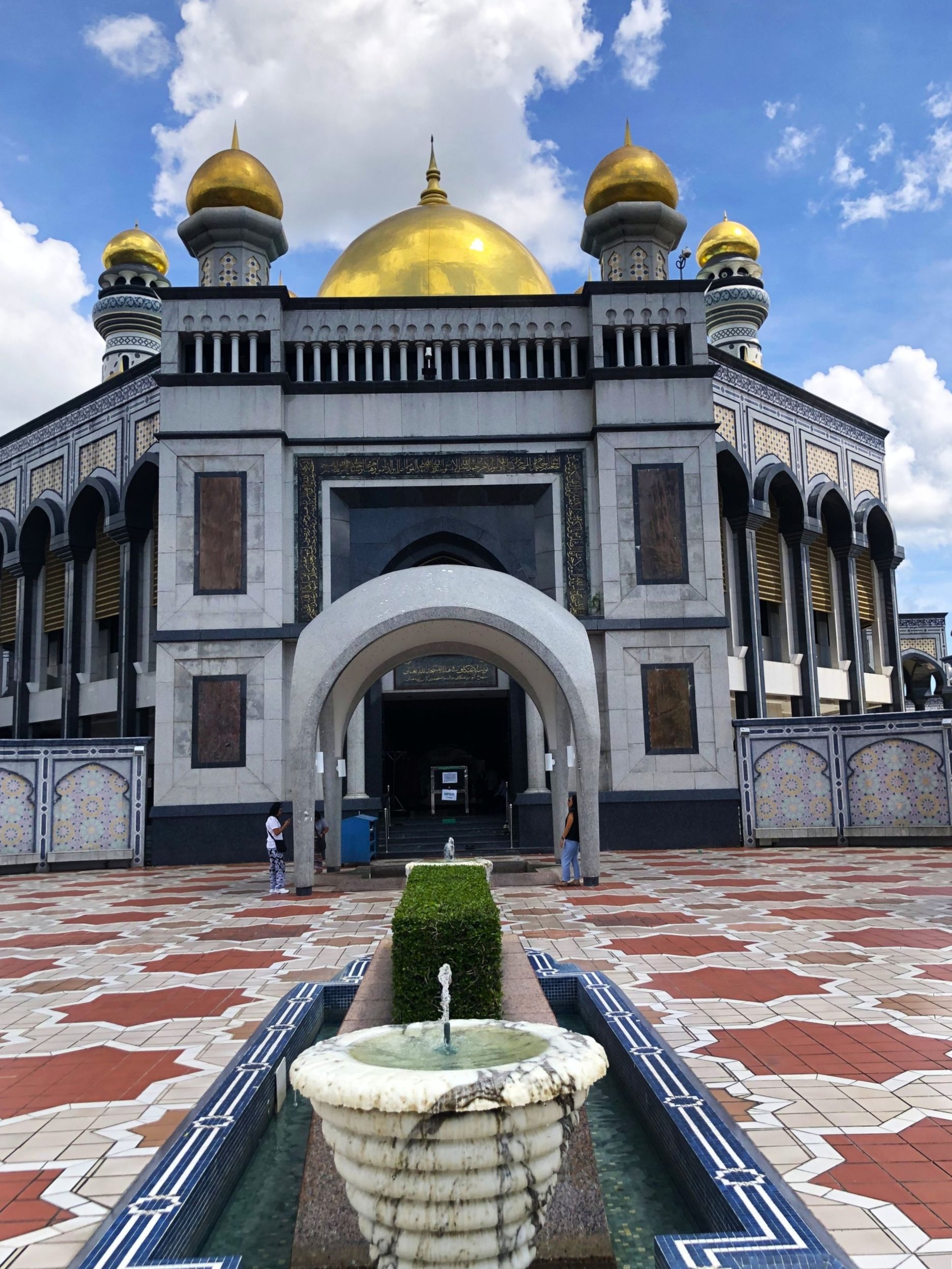
Brunei Darussalam
Bandar Seri Begawan
19 June, 2026
Salam Alaicum,
The Special Sights I visited in Brunei:
Located in the capital Bandar Seri Begawan, the Jame' Asr Hassanil Bolkiah Mosque is the largest and most opulent mosque in Brunei. It features 29 magnificent golden domes that represent the current Sultan of Brunei, the 29th ruler.
Completed in 1994, the mosque was built to celebrate the 25th anniversary of the Sultan's reign. The building features grand marble staircases and intricate marble fountains.
A massive, magnificent gold chandelier hangs directly from the center of the dome, serving as a primary focal point that illuminates the wide prayer space. The mosque is capable of accommodating up to 5,000 worshippers.
The site is popular with visitors who can enjoy free entry, but are required to dress modestly. Robes available for use.
Brunei River Cruise
Posted June 28, 2026 by Jan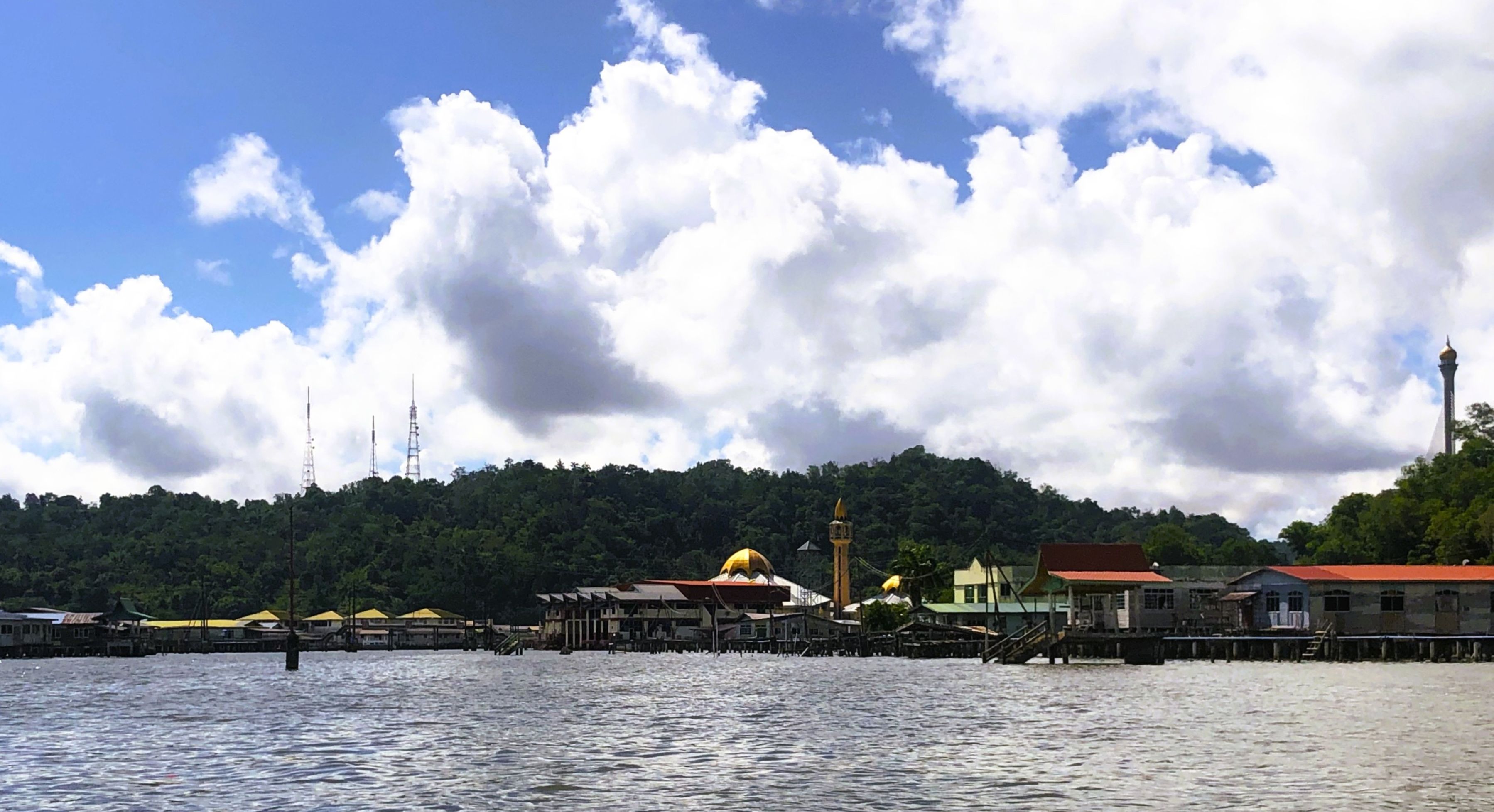
Bandar Seri Begawan
Brunei Darussalam (pop 460,000)
16 June 2026
Hello,
After my arrival in the capital BSB I wandered from my hotel to the nearby Brunei River. For the next day I booked a river cruise.
Brunei is a small country of only 5,765 square kilometers, (2,226 square miles). Brunei is located on the northern edge of Borneo – an enormous Indonesian Island. Sarawak and Saba, two states of Malaysia are also located on the northern edge of the island They are neighbors of Brunei.
Despite the cities on the coasts and settlements and villages scattered around the interior of the island, Borneo is mostly jungle.
The banks of the Brunei River are lined with trees and more trees and an occasional monkey and certainly unseen crocodiles.
Several small settlements and the edge of the world’s largest Floating Village “Kampong Ayer” on stilts also appear. Finally, the Raja Isteri Pengiran Anak Hajah Saleha Bridge (RIPAS Bridge).
The South China Sea beckons. Come along with me. Maybe we’ll spot a monkey or two. Crocodiles, probably not.
Cheers,
Jan
What I Found in Trang
Posted April 27, 2026 by Jan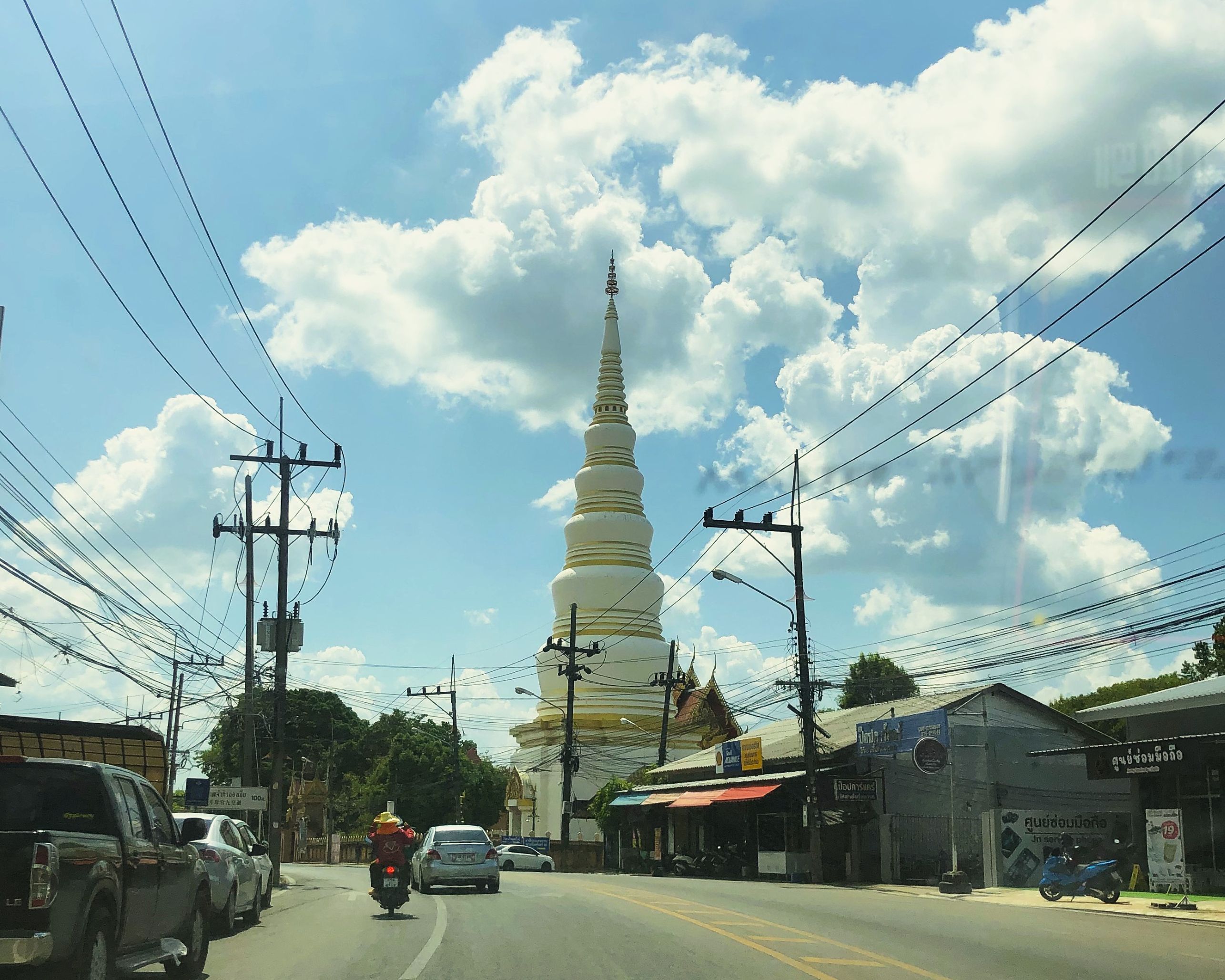
Trang City
Trang Province
Thailand
April 24, 2026
Hello,
A late start today. My guide needs a new battery for his phone. While I wait, I wander around town.
We ride toward Na Muen Sri Weaving Village. The shop sells colorful clothing made from the textiles that are woven here. Out back two women operate the clattering shuttle looms. The ladies are pleased to see us but concentrate on their work.
On our way back to town, we stop at the Robinson Department Store for an early lunch at the Food Court. I order a soup. The lady server warns me that it’s spicy. I respond, No Problem. Believe me, it was spicy! So I comment to the lady, Very Spicy! We laugh!
Now we’re on a pilgrimage to visit several religious sites in town. First a Buddhist temple known for its outstanding wall paintings. Then a Cave Temple. Then a one-hundred-year-old Church. Then a Mosque. Then a temple with an enormous stupa.
Botanic Garden and Waterfalls
Posted April 26, 2026 by Jan